Nov 18 , 2025 read
Introduction: Beyond the Robot Vacuum
When you hear “AI in cleaning,” your mind might jump to a simple robotic vacuum gliding across a living room floor. But today’s reality is far more revolutionary. AI is orchestrating a seismic shift in the professional cleaning industry, reshaping our standards for hygiene, efficiency, and safety in spaces from hospitals and hotels to offices and airports.
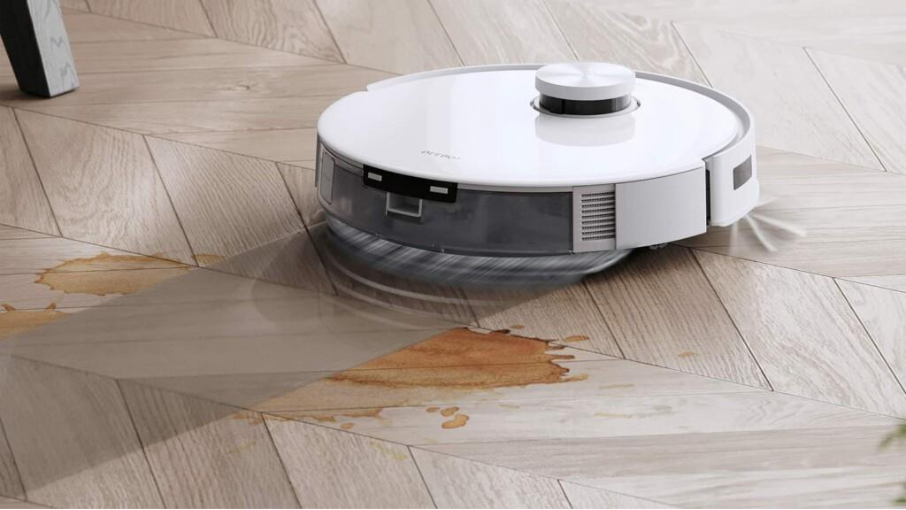
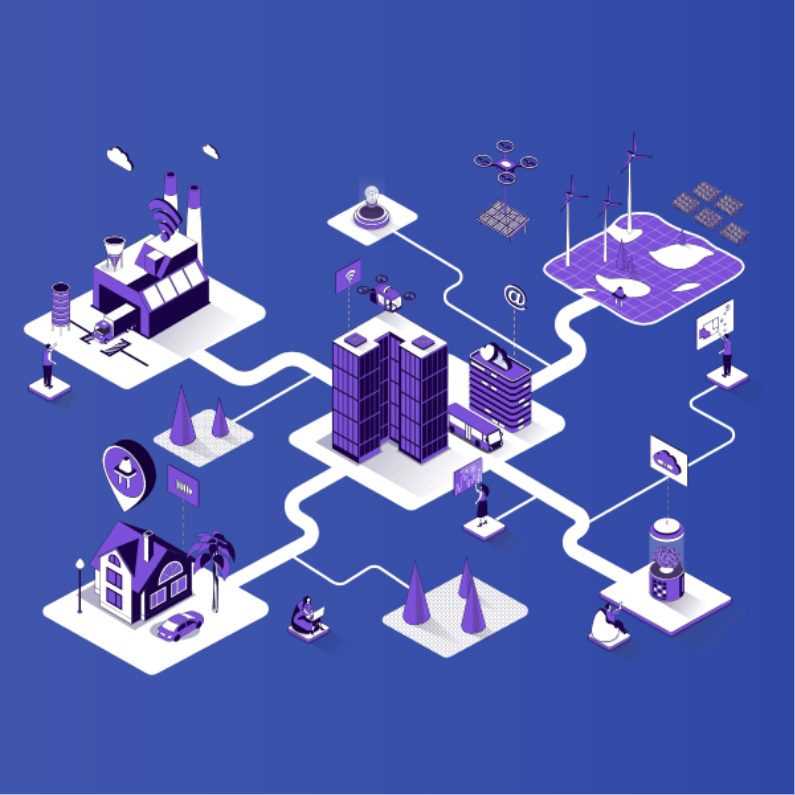
At its core, AI in cleaning is about using technology to make smarter decisions. This means creating a smart ecosystem where, as the industry association ISSA defines it, “machines, software, computers, and/or microchips use information purposefully to manage, affect, and perform cleaning tasks.” This revolution isn’t about a single gadget; it’s driven by a combination of interconnected technologies working in concert to create cleaning operations that are more responsive, precise, and intelligent than ever before.
Let’s explore the specific tools that form this powerful new ecosystem and discover how they are revolutionizing the way we create cleaner, healthier environments.
The AI Toolkit: A Tour of the Core Technologies
To grasp the magnitude of this shift, we need to look inside the AI toolkit. Each component plays a strategic role, from performing physical tasks to collecting data and guiding human action.
The “Doers”: Autonomous Cleaning Robots
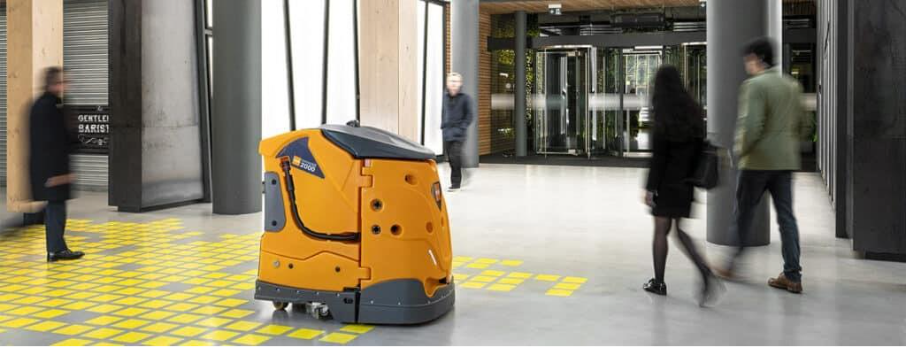
These are the workhorses of the AI cleaning revolution. Autonomous robots, such as floor scrubbers, vacuums, and UV-C disinfection robots, are designed to handle repetitive, labor-intensive, or potentially hazardous tasks with remarkable precision and consistency. By navigating complex environments, avoiding obstacles in real-time, and working around the clock, they free up human staff to focus on more complex duties like quality control, detailed sanitation, and problem-solving.
The “Eyes and Ears”: Smart Sensors and IoT
Smart sensors are the nervous system of an intelligent building, constantly collecting real-time data about their environment. Integrated into the Internet of Things (IoT), these devices monitor everything from occupancy and air quality to waste bin levels. Their key function is to shift cleaning from a rigid, schedule-based model to a dynamic, “on-demand” approach where resources are deployed precisely when and where they are needed most. Crucially, they also enhance safety—a sensor can even trigger an alarm if it detects a hazardous item, such as a needle.
The “Brains”: AI-Powered Management Software
AI-powered management software acts as the central command center, processing data from sensors and robots to optimize the entire cleaning operation. These intelligent platforms make data-driven decisions that enhance efficiency, quality, and resource management. The most crucial systems include:
- AI Scheduling Systems: This software uses algorithms to analyze data on occupancy rates and peak usage times, creating optimized cleaning schedules that deploy staff and equipment with maximum efficiency.
- Predictive Maintenance Tools: By analyzing performance data from cleaning equipment, these tools can predict when maintenance is necessary. This proactive approach reduces unexpected downtime, minimizes repair costs, and ensures equipment is always ready.
- AI-Powered Quality Control: Using computer vision and machine learning, these systems can scan surfaces to evaluate cleanliness in real-time. This automated verification ensures that hygiene standards are met consistently, removing human error and subjectivity from the quality control process.
The “Guide”: Augmented Reality (AR) for Human Staff
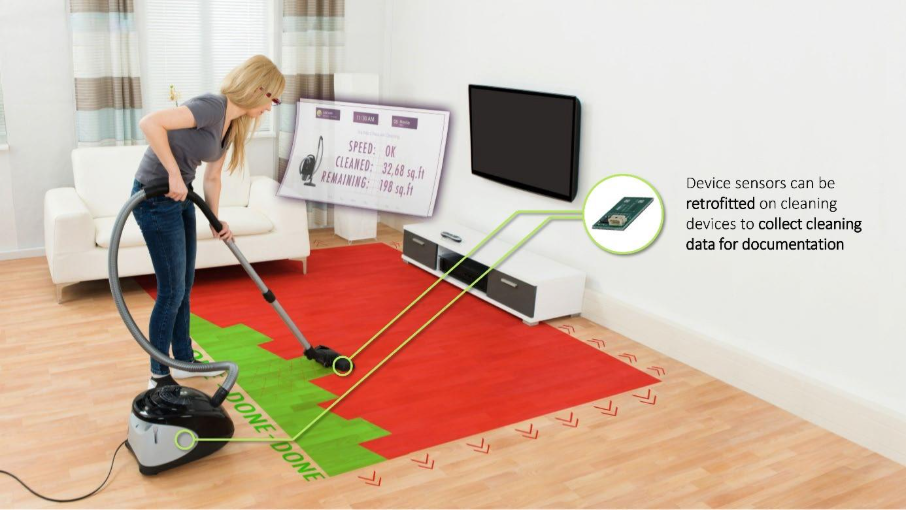
Augmented Reality (AR) serves as a “helper technology” that enhances the capabilities of human cleaners by blending digital information into their real-world view.
It provides critical support in several powerful ways:
- Training: AR creates interactive, simulated training programs where new employees can gain hands-on experience in a virtual environment, helping them learn complex procedures more efficiently and safely.
- Real-Time Guidance: Using AR glasses or a mobile device, cleaners see visual instructions overlaid directly onto their workspace, showing them exactly which steps to perform and improving accuracy. This technology can detect defects or soiling that are difficult to see with the naked eye and highlight them for the cleaner.
- Remote Expert Support: AR enables experts to provide support remotely by seeing the on-site employee’s point of view through their device and giving them live instructions, a game-changer for handling complex or unexpected situations.
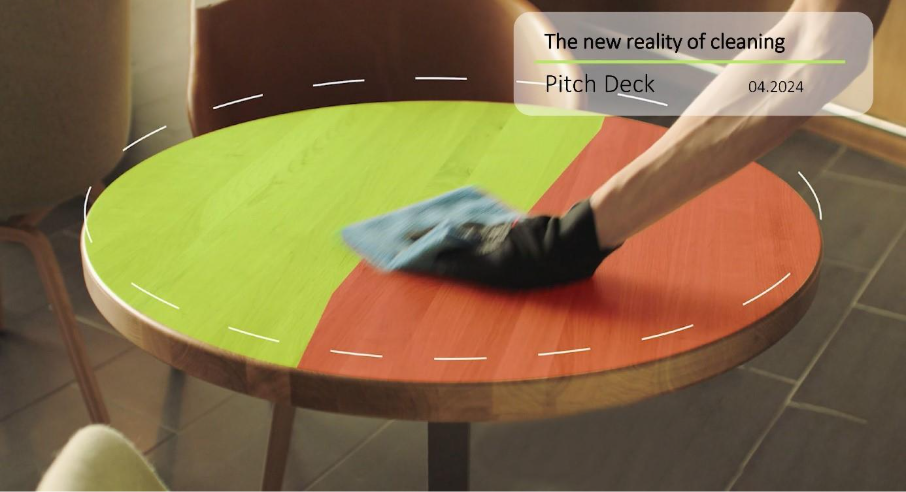
These individual tools are powerful on their own, but their true potential is unlocked when they are integrated into a single, coordinated system.
The Ecosystem in Action: A Day in a Smart Building
Imagine a busy hospital where maintaining impeccable hygiene is a matter of life and death. Here, the AI cleaning ecosystem isn’t just a concept—it’s a functioning reality. A sudden increase in visitors to the emergency room waiting area is detected by occupancy sensors. This data is instantly sent to the central AI management platform, which dispatches an autonomous floor scrubber to the area. While the robot handles the routine floor care, a human cleaner is alerted on their AR device to perform detailed disinfection of high-touch surfaces like doorknobs and seating, with visual cues guiding them for maximum thoroughness.
This seamless collaboration is summarized below:
| Technology Component | Its Role in the Smart Cleaning Ecosystem |
| Smart Sensors | They kick off cleaning tasks when and where they’re actually needed, not just on a timer, moving operations from a rigid schedule to a dynamic, on-demand model. |
| AI Management Platform | The “brains” of the operation, this platform analyzes data from all sources to provide real-time insights and actionable suggestions, optimizing resources, workflows, and dispatching either robots or human staff. |
| Autonomous Robot | An autonomous floor scrubber or UV-C disinfection robot executes the physical task assigned by the management platform, navigating complex environments and performing tasks with high consistency and minimal human oversight. |
| Human Cleaner with AR | A person is guided by AR-overlaid visual instructions to handle a complex task the robot cannot, such as detailed disinfection. This ensures accuracy and efficiency, as the employee knows exactly which steps to perform. |
By working together, these technologies create an adaptive, efficient, and highly effective cleaning operation that delivers significant, tangible benefits.
The Payoff: Why AI is a Game-Changer for Cleaning
The adoption of an integrated AI ecosystem delivers transformative advantages that address some of the cleaning industry’s most persistent challenges. Here are the four most critical benefits:
- Enhanced Efficiency and Cost Reduction By automating repetitive tasks and optimizing the allocation of labor, energy, and water, AI systems generate substantial time and cost savings. This allows cleaning companies to serve more clients with greater productivity while reducing overall operational expenses.
- Higher Quality and Consistency Data-driven processes and AI-powered quality control systems minimize human error and ensure that cleaning is performed to the highest standards every time. This consistency is crucial for meeting regulatory requirements and client expectations, especially in sensitive environments.
- Improved Health and Safety In a post-pandemic world, hygiene is paramount. Technologies like UV-C disinfection robots and on-demand sanitation create safer environments by eliminating pathogens. This is especially critical in hospitals, where enhanced cleaning can help reduce hospital-acquired infections, which are a leading cause of patient morbidity and mortality.
- Greater Sustainability Smart systems make a significant contribution to environmental goals. By using resources only when and where they are needed, they reduce the consumption of water, chemicals, and energy. This targeted approach minimizes the industry’s ecological footprint and supports corporate social responsibility commitments.
While the technology is impressive, it’s designed to augment—not eliminate—the most important component of any cleaning operation: the human workforce.
The Human Element: Collaboration, Not Replacement
The rise of AI in cleaning is not about replacing human workers but about reshaping their roles through human-robot collaboration. In this new model, robots handle the repetitive, labor-intensive tasks, which frees up people to focus on higher-value activities like supervision, quality checks, customer service, and complex problem-solving.
This shift necessitates a focus on upskilling and training. Staff must be equipped with the skills to operate, monitor, and maintain these advanced systems. A workforce that understands how to work alongside AI is essential for unlocking the technology’s full potential and driving innovation from the ground up.
However, adopting these technologies is not without its hurdles. Businesses must navigate several key challenges, including:
- High upfront investment costs: The capital required for robotics and AI platforms can be a “real barrier,” especially for smaller businesses.
- Cybersecurity risks: IoT-connected cleaning tech stores and transmits “sensitive operational data,” making it a potential target for cyberattacks that could disrupt operations.
- Staff training and change management: Success requires managing “resistance to change by fostering a culture of innovation” and providing comprehensive training programs.
Successfully addressing these challenges is crucial for a smooth and sustainable transition into the future of cleaning.
Conclusion: The Future of Cleaning is in Our Hands
Artificial intelligence is no longer a far-off concept; it is a powerful, multifaceted ecosystem that is actively making professional cleaning smarter, safer, and more efficient. From autonomous robots and smart sensors to predictive analytics and augmented reality, these technologies are working together to raise standards and solve long-standing industry challenges.
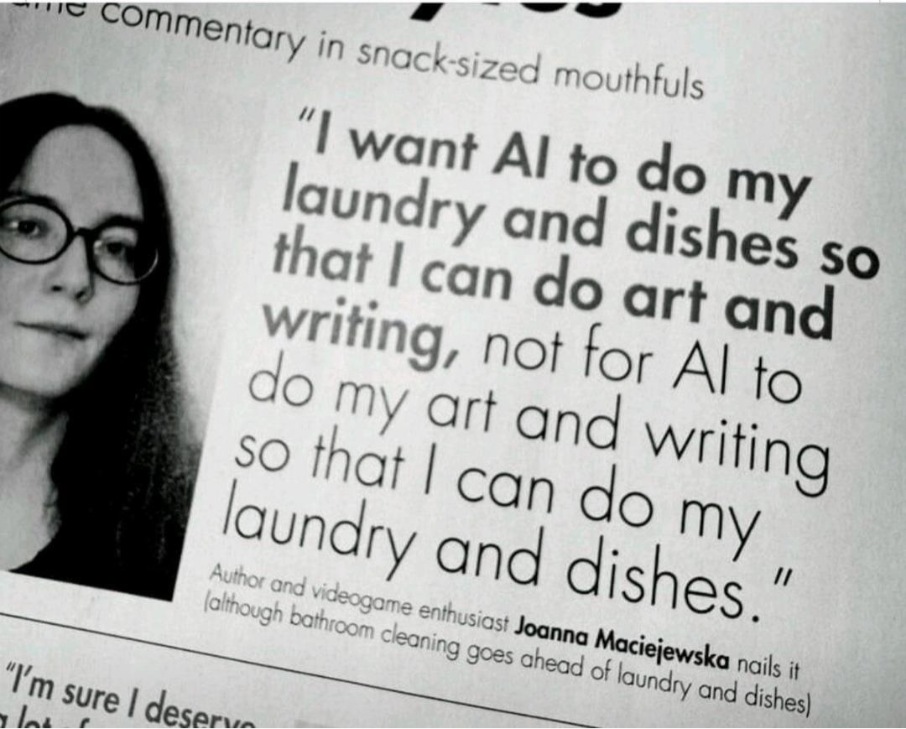
As Brad Smith of Microsoft advised, “Don’t ask what computers can do; ask what they should do.” The businesses that master this new ecosystem will not only lead the industry—they will define the future of clean, intelligent, and sustainable environments.
Further Reading
- Rathey, A. P. (2024, August 13). Artificial intelligence in professional cleaning. ISSA | The Worldwide Cleaning Industry Association. https://www.issa.com/articles/artificial-intelligence-in-professional-cleaning
- Cortexia. (n.d.). Can AI help clean our cities? How artificial intelligence could help solve a big problem. Philip Morris Products S.A. https://www.cortexia.com
- Newo.ai. (n.d.). The impact of AI on cleaning services: Automation and efficiency. https://www.newo.ai
- Startups Magazine. (n.d.). The cleaning industry gets a boost from AI and AR. https://www.startupsmagazine.co.uk
- Phidora Group, Inc. d/b/a Vanguard Cleaning Systems of the Ozarks. (2025). The future of commercial cleaning: AI and automation in 2025. https://www.vanguardozarks.com